

Level Up or Log Off: The Future of Gaming Is Now.
Introduction
Remember blowing into cartridges to make your games work? Pixelated graphics that somehow felt cutting-edge? Those days are ancient history. The gaming landscape has transformed at warp speed, and if you’re not paying attention, you might just get left in the digital dust. We’re talking about a revolution that’s not just changing how we play, but also how we connect, learn, and even earn a living.
But this evolution brings its own set of challenges. Are we ready for them? Can we adapt and thrive in this brave new world of interactive entertainment, or will we be forced to log off and watch from the sidelines? Let’s dive in.
Short-Term Gains, Long-Term Game Changers
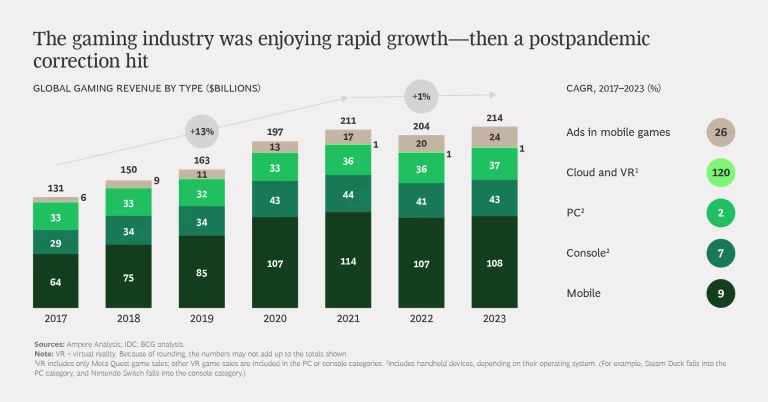
Right now, the gaming industry is booming. We’re seeing advancements like never before: cloud gaming that lets you play AAA titles on your phone, immersive virtual reality experiences that blur the line between reality and the digital world, and the rise of esports as a legitimate spectator sport with millions of viewers and massive prize pools. These short-term gains offer instant gratification and exciting possibilities. Imagine competing in a global tournament from your living room or exploring a fantastical world with unparalleled realism.
However, these advancements aren’t without their potential pitfalls. In the short-term, we face concerns about:
- Accessibility: The cost of high-end gaming equipment (VR headsets, powerful PCs) can create a digital divide, excluding players from certain experiences.
- Addiction: The immersive nature of modern games can lead to addiction, impacting mental and physical health, particularly among younger players.
- Ethical Concerns: Loot boxes, microtransactions, and the potential for manipulative game design raise ethical questions about the industry’s responsibility to its players.
Looking further down the line, the long-term impacts are even more profound:
- The Metaverse and Beyond: Gaming is increasingly becoming a gateway to the metaverse, a persistent, shared virtual world. This raises questions about digital identity, ownership, and the future of social interaction. What does it mean to “own” a digital asset? How do we protect ourselves from harassment in virtual spaces?
- Job Displacement: While gaming creates new jobs (esports athletes, game developers, streamers), it could also displace workers in other industries. The rise of AI-powered NPCs, for example, could reduce the need for human game masters or customer support agents.
- Evolving Skillsets: The skills valued in the future workforce are changing. Gaming can foster problem-solving, strategic thinking, and teamwork, but we need to ensure that education systems adapt to recognize and cultivate these skills.
Leveling Up: Practical Solutions for a Brighter Gaming Future
So, how do we navigate this rapidly evolving landscape? Here are some practical solutions to consider:
- Embrace Cloud Gaming and Subscription Services
- The Idea: Cloud gaming eliminates the need for expensive hardware by streaming games directly to your devices. Subscription services like Xbox Game Pass offer access to a vast library of games for a monthly fee.
- The Benefit: Increased accessibility for players who can’t afford high-end equipment.
- Example: Google Stadia (while discontinued, its underlying technology influenced others), Xbox Game Pass, and GeForce Now are examples of cloud gaming services that offer affordable access to a wide range of titles.
- Promote Responsible Gaming Habits:
- The Idea: Education is key. Parents, educators, and the gaming industry need to work together to promote healthy gaming habits.
- The Benefit: Reduced risk of addiction and improved mental and physical well-being.
- Example: Organizations like the American Psychological Association offer resources and guidelines for responsible gaming. Game developers can also incorporate features like time limits and parental controls into their games.
- Advocate for Ethical Game Design:
- The Idea: Support developers who prioritize player well-being over profit. Demand transparency in game mechanics and monetization practices.
- The Benefit: A fairer and more enjoyable gaming experience for everyone.
- Example: Some developers are experimenting with alternative monetization models, such as cosmetic-only purchases or subscription-based access, to avoid the predatory nature of loot boxes.
- Invest in Digital Literacy and Education:
- The Idea: Equip individuals with the skills they need to navigate the digital world safely and effectively. This includes critical thinking, media literacy, and cybersecurity awareness.
- The Benefit: Increased resilience to misinformation, scams, and other online threats.
- Example: Schools and community organizations can offer workshops and training programs on digital literacy. Online resources like Common Sense Media provide valuable information for parents and educators.
- Explore the Educational Potential of Gaming:
- The Idea: Leverage the engaging nature of games to enhance learning outcomes. Use games to teach subjects like history, science, and math in an interactive and fun way.
- The Benefit: Increased student engagement and improved learning outcomes.
- Example: Games like “Minecraft” are being used in classrooms to teach coding, design, and problem-solving skills. “Assassin’s Creed: Origins” has a “Discovery Tour” mode that allows players to explore ancient Egypt in a non-violent, educational setting.
- Embrace the Metaverse Responsibly:
- The Idea: As the metaverse evolves, we need to establish clear guidelines and regulations to protect users from harassment, fraud, and other online harms.
- The Benefit: A safer and more equitable virtual world for everyone.
- Example: Organizations like the Metaverse Standards Forum are working to develop open standards for the metaverse, promoting interoperability and preventing monopolies.
Alternative Approaches: Choose Your Own Adventure
Not every solution will be a perfect fit for everyone. Here are some alternative approaches to consider:
- The Minimalist Gamer: If you’re concerned about the addictive potential of gaming, consider setting strict time limits or focusing on single-player experiences that offer a sense of accomplishment without the pressure of competition.
- The Conscious Consumer: Support independent game developers who prioritize creativity and innovation over profit. Look for games that promote positive values and address social issues.
- The Community Builder: Join or create gaming communities that focus on positive interaction and support. Use gaming as a way to connect with like-minded people and build meaningful relationships.
Game On: Your Role in the Future of Gaming
The future of gaming is being written right now, and you have a role to play. By embracing innovation, promoting responsible practices, and advocating for ethical game design, we can create a gaming ecosystem that is both entertaining and beneficial for society.
Don’t be a passive observer. Level up your knowledge, log in to the conversation, and help shape the future of gaming for the better. The game is on – are you ready to play?
