

Gaming Apocalypse: What’s Next?
Introduction
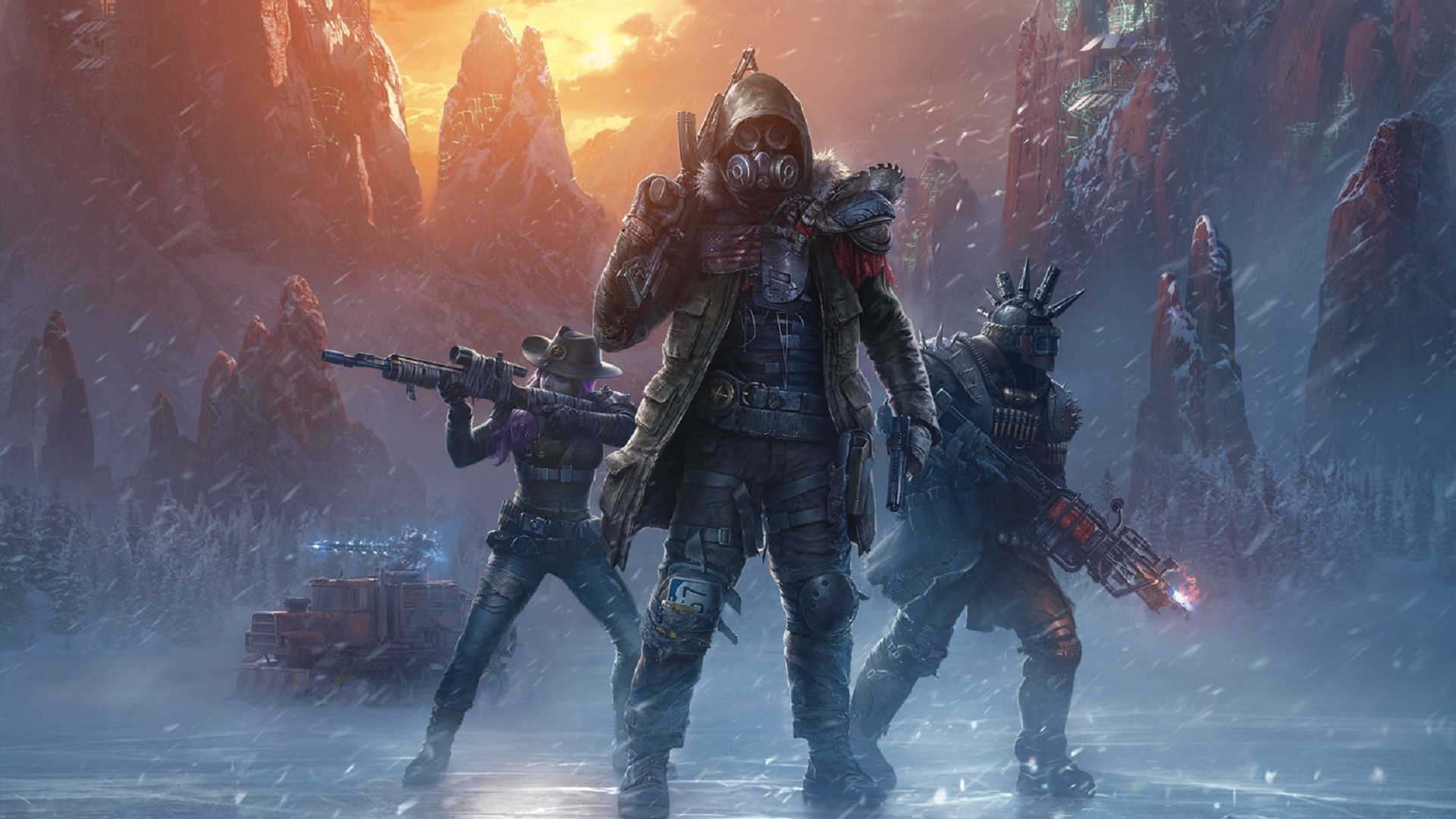
Remember that thrill of scoring the winning goal in FIFA, conquering a raid in Destiny, or finally building that perfect Minecraft world? Now, imagine a world where those experiences become… less thrilling? We’re not talking about losing your internet connection. We’re talking about a more insidious, less sensationalized “Gaming Apocalypse” – a slow burn of issues threatening the long-term health and vibrancy of the industry we love.
Before you picture hordes of zombie gamers stumbling through a desolate landscape, let’s be clear: this isn’t about the literal end of gaming. Instead, it’s about the growing concerns around unsustainable business models, crunch culture, a lack of originality, and the ever-present threat of toxicity that could ultimately erode the joy and innovation we expect from our favorite pastime.
So, grab your controller (metaphorically, of course), and let’s dive into what this “Gaming Apocalypse” looks like, its potential short-term and long-term consequences, and, most importantly, what we can do about it.
Explanation of the Problem
The Four Horsemen of the Gaming Apocalypse:
Our apocalyptic scenario isn’t brought about by fire and brimstone, but by four interconnected challenges:
- The Gacha-fication and Monetization Menace: Free-to-play games, once hailed as a democratizing force, are increasingly reliant on aggressive monetization tactics. Loot boxes, pay-to-win mechanics, and endless cosmetic purchases are becoming the norm, often exploiting addictive tendencies and alienating players who simply want a fair and balanced experience. Remember the outrage surrounding Star Wars Battlefront II’s loot box system? That was a stark warning, and the trend hasn’t slowed down.
- The Crunch Culture Catastrophe: Behind the glossy graphics and captivating gameplay lies a dark reality for many game developers: crunch. Weeks, even months, of grueling overtime, often unpaid, are commonplace in the industry. This unsustainable practice leads to burnout, health problems, and a lack of creativity, ultimately impacting the quality of the games themselves. Look at the highly publicized accounts of developers working on titles like Cyberpunk 2077. The game’s launch was plagued with issues, and many attributed it to the intense pressure and crunch experienced by the team.
- The Innovation Impoverishment: The pursuit of guaranteed returns and the dominance of established franchises can stifle innovation. We see sequels, reboots, and remakes dominating the market, often at the expense of original ideas and experimental gameplay. While there’s nothing inherently wrong with revisiting beloved games, an over-reliance on nostalgia can lead to stagnation and a lack of fresh perspectives. How many open-world games featuring crafting and tower defense mechanics do we really need?
- The Toxicity Tsunami: Online gaming communities, while offering a space for connection and camaraderie, can also be breeding grounds for toxicity. Harassment, hate speech, and exclusionary behavior can ruin the experience for many players, particularly women and minorities. This creates a hostile environment that discourages participation and diversity, ultimately harming the industry’s long-term growth. Think about the constant barrage of negativity and personal attacks that can plague online matches in games like League of Legends or Call of Duty.
Short-Term Pain, Long-Term Gain (Maybe):
The short-term effects of these issues are already visible. We see player fatigue with repetitive gameplay loops, disillusionment with predatory monetization, and a growing sense of cynicism towards the industry. Developers are burning out, leading to talent leaving the industry or forming independent studios to pursue their own visions.
However, the long-term consequences are far more concerning. A lack of innovation could lead to a decline in overall interest in gaming. Continued toxic behavior could scare away new players and talented developers. And a reliance on unsustainable business models could ultimately lead to a bubble burst, impacting the financial stability of the entire industry.
Solutions
The Road to Redemption: Practical Solutions for a Brighter Future:
Fortunately, the “Gaming Apocalypse” isn’t inevitable. We have the power to steer the industry towards a more sustainable and enjoyable future. Here are some practical solutions:
- Reimagine Monetization:
- Subscription Models with Transparency: Offer clear and fair subscription models that provide genuine value, rather than relying on hidden costs and manipulative tactics. Think of games like Final Fantasy XIV, which offer a consistent stream of content and updates for a monthly fee.
- Cosmetics with Ethics: Monetize cosmetic items without impacting gameplay balance. Offer diverse and creative options that allow players to express themselves without feeling pressured to spend money to stay competitive. Look at games like Overwatch, which offer a wide variety of cosmetic skins that don’t affect gameplay.
- Support Indie Developers: Choose to support smaller, independent developers who often prioritize innovative gameplay and ethical monetization over maximizing profits. Platforms like itch.io provide a fantastic avenue for discovering these gems.
- Cultivate Healthy Development Practices:
- Advocate for Fair Labor Standards: Support initiatives that promote fair wages, reasonable working hours, and adequate benefits for game developers. Organizations like Game Workers Unite are fighting for better working conditions within the industry.
- Promote Open Communication: Encourage transparency within game development studios regarding crunch and workload expectations. This allows developers to make informed decisions about their careers and advocate for their well-being.
- Embrace Agile Development: Implement agile development methodologies that prioritize iterative development, frequent feedback, and flexibility. This can help reduce pressure on developers and prevent last-minute crunch.
- Foster Innovation and Originality:
- Support Independent Games and Developers: Investing in and promoting independent games can help diversify the market and encourage innovation.
- Encourage Experimental Game Design: Game companies should be willing to take risks and experiment with new genres, mechanics, and storytelling techniques.
- Create Incubator Programs: Large studios can create incubator programs to support and mentor independent developers, providing them with resources and guidance to bring their innovative ideas to life.
- Combat Toxicity and Promote Inclusivity:
- Implement Robust Reporting Systems: Games should have effective reporting systems that allow players to easily report harassment and abusive behavior.
- Moderate Communities Actively: Game developers and publishers should actively moderate their online communities to ensure a safe and welcoming environment for all players.
- Promote Inclusive Representation: Games should strive to feature diverse characters, stories, and perspectives to reflect the diversity of the player base.
- Educate Players on Respectful Behavior: Provide resources and guidelines on respectful online behavior to help players understand the impact of their actions.
Alternative Approaches: A Menu of Solutions
Remember, there’s no one-size-fits-all solution. Here are some alternative approaches you can consider:
- The “Ethical Gamer” Approach: Consciously choose to support developers and games that align with your values. This could involve researching companies, reading reviews, and boycotting games that engage in unethical practices.
- The “Community Builder” Approach: Actively participate in online communities and promote positive and inclusive behavior. This could involve moderating forums, creating content that celebrates diversity, and challenging toxic behavior when you see it.
- The “Creative Contributor” Approach: Get involved in game development, whether as a hobbyist, a student, or a professional. By contributing your skills and perspectives, you can help shape the future of the industry from within.
Conclusion
The Dawn After the “Apocalypse”: A Call to Action
The “Gaming Apocalypse” isn’t a prophecy of doom, but a wake-up call. It’s a reminder that the future of gaming is not predetermined, but rather shaped by the choices we make today. By embracing ethical practices, fostering innovation, and promoting inclusivity, we can create a gaming landscape that is sustainable, enjoyable, and enriching for everyone.
Don’t let the challenges paralyze you. Take action! Support indie developers, report toxic behavior, advocate for fair labor practices, and most importantly, play games that bring you joy. Every action, no matter how small, contributes to a brighter future for the gaming community. The power to shape the future of gaming is in our hands. Let’s use it wisely.
