

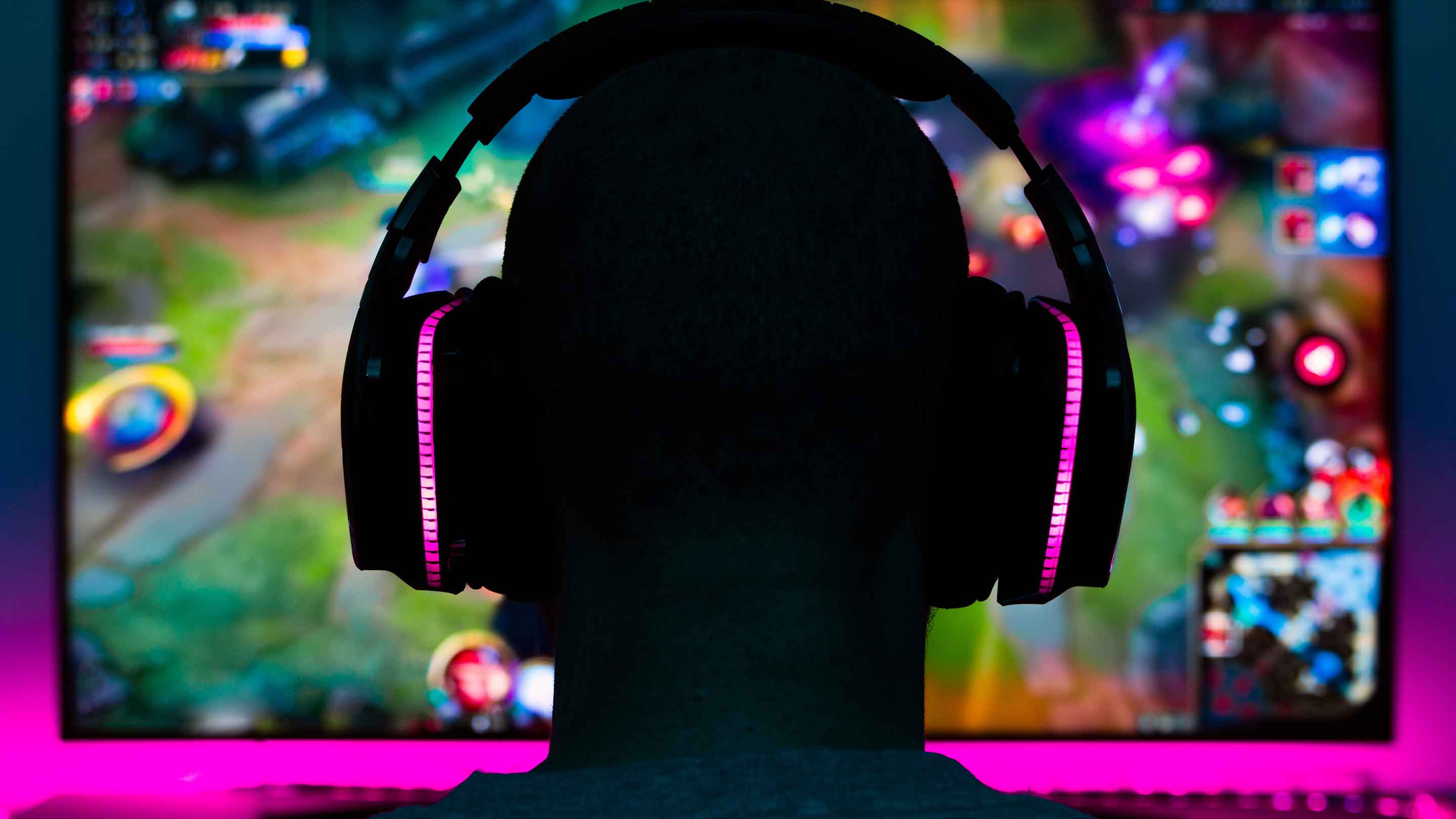
LEVEL UP: Are Video Games the New Reality?
Introduction
Remember racing home from school, backpack hitting you in the back with every frantic step, just to squeeze in an hour of gaming before dinner? Or those late-night sessions fueled by sugary drinks, determined to conquer that one impossible boss? Video games have been a cornerstone of many lives, a source of entertainment, competition, and even friendship. But lately, it feels like they’re becoming… more. More immersive, more pervasive, and arguably, more integral to how we interact with the world. Are video games simply a pastime, or are they subtly reshaping our reality?
This isn’t just about the sheer amount of time we spend gaming. It’s about how gaming experiences are blurring the lines between the digital and physical worlds. Consider the rise of esports, where professional gamers command massive sponsorships and compete in stadium-sized arenas. Or the increasing popularity of virtual worlds like Fortnite, Minecraft, and Roblox, where users not only play games but also socialize, attend virtual concerts, and even build their own virtual businesses.
The Short-Term: Dopamine Hits and Digital Distractions
Let’s be real, the immediate impact of gaming is often a dopamine rush. That satisfying *ding* when you level up, the thrill of victory, the camaraderie of a well-coordinated team play – these are powerful psychological rewards. While enjoyable in moderation, the constant pursuit of these rewards can lead to problems.
One key issue is distraction. Hours spent engrossed in virtual worlds can easily cut into time for work, school, and real-life relationships. Procrastination becomes an art form, deadlines loom like final bosses, and suddenly you’re behind on everything but your in-game character’s skill tree.
Another short-term impact is the potential for addiction. When gaming becomes the primary coping mechanism for stress, boredom, or loneliness, it can spiral into a destructive cycle. Neglecting personal hygiene, social isolation, and sleep deprivation are all red flags indicating a potential problem. We’ve all heard the stories of individuals whose lives have been severely impacted by excessive gaming, highlighting the real consequences of unchecked screen time.
The Long-Term: Skills, Socialization, and Shifting Perceptions
While the short-term risks are significant, the long-term impacts of gaming are more complex and nuanced. On one hand, video games can foster valuable skills. Strategy games like *StarCraft* and *Civilization* hone critical thinking, problem-solving, and resource management skills. Action games improve reaction time, hand-eye coordination, and spatial reasoning. Even seemingly simple games can boost creativity and collaboration.
Furthermore, online gaming communities provide opportunities for socialization. Players connect with others from all over the world, forming friendships and building teamwork skills. For individuals who struggle with social anxiety or physical limitations, online gaming can offer a safe and accessible space to connect with like-minded individuals. Consider the case of AbleGamers, a charity that uses video games to improve the lives of people with disabilities, fostering community and providing access to social interaction that might otherwise be unavailable.
However, the long-term impacts also raise concerns about shifting perceptions of reality. Spending significant time in highly structured, reward-driven virtual worlds can alter our expectations of the real world. Real-life tasks may seem less appealing if they lack the immediate gratification and clear-cut goals found in games. The constant bombardment of virtual stimuli can also lead to sensory overload and difficulty focusing on real-world tasks.
Moreover, the highly competitive nature of many online games can contribute to toxic behavior and online harassment. Anonymity can embolden individuals to act in ways they wouldn’t in real life, leading to cyberbullying, hate speech, and other forms of online abuse. This is a serious concern that requires addressing to create safer and more inclusive online gaming environments.
Leveling Up: Practical Solutions for a Balanced Life
So, how do we harness the benefits of gaming while mitigating the risks? The key is finding balance and developing healthy habits. Here are several practical solutions:
- Time Management is Key: Implement a strict gaming schedule and stick to it. Use tools like app timers or website blockers to limit your screen time. Dedicate specific hours for work, school, hobbies, and social activities, and treat your gaming time as just one component of your well-rounded life.
- Prioritize Real-World Interactions: Make a conscious effort to spend time with friends and family offline. Engage in activities that don’t involve screens, such as hiking, sports, or board games. Nurturing real-life relationships is crucial for maintaining a healthy social life and avoiding isolation.
- Mindful Gaming: Pay attention to how gaming makes you feel. Are you using it to escape from problems or to genuinely enjoy yourself? If you’re feeling stressed, anxious, or irritable after gaming, take a break and engage in a relaxing activity like meditation or yoga.
- Set Realistic Goals: Avoid falling into the trap of chasing endless rewards and achievements. Set realistic goals for your gaming sessions and be mindful of the time you’re spending on them. Remember, real-life achievements are just as important, if not more so.
- Explore Alternative Gaming Experiences: Not all games are created equal. Consider exploring games that promote creativity, collaboration, or learning. Games like *Minecraft* and *Cities: Skylines* can foster creativity and problem-solving skills. Games like *Foldit* even allow players to contribute to scientific research by solving protein folding puzzles.
- Seek Support When Needed: If you’re struggling to control your gaming habits, don’t hesitate to seek help from a therapist, counselor, or support group. Gaming addiction is a real problem, and there are resources available to help you regain control of your life. Organizations like the American Psychological Association offer resources and referrals for mental health professionals.
- Embrace the Positive Aspects: Recognize and leverage the positive skills and experiences gained through gaming. Highlight your problem-solving abilities, teamwork skills, and strategic thinking in your resume or job interviews. Show how your gaming experiences have made you a more well-rounded and capable individual.
Alternative Approaches: Reimagining Our Relationship with Games
Beyond individual solutions, there are also broader societal approaches we can take to create a healthier relationship with video games:
- Educational Integration: Incorporate video games into educational settings to make learning more engaging and interactive. Games can be used to teach history, science, and even social skills.
- Game Design for Good: Encourage game developers to create games that promote positive values, empathy, and critical thinking. Games can be powerful tools for social change.
- Promote Digital Literacy: Educate individuals about the potential risks of excessive gaming and the importance of digital citizenship. Teach them how to navigate online environments safely and responsibly.
Conclusion: Embracing the Future, Mindfully
The lines between the real and virtual worlds are blurring, and video games are playing an increasingly significant role in shaping our reality. While the short-term risks of distraction and addiction are real, the long-term impacts of gaming are complex and multifaceted. By embracing mindful gaming habits, prioritizing real-world interactions, and leveraging the positive skills gained through gaming, we can harness the power of video games to enhance our lives and contribute to a more connected and enriching world.
It’s time to level up our understanding of video games and their impact on our lives. By taking proactive steps to cultivate a healthy relationship with gaming, we can ensure that it remains a source of entertainment, learning, and connection, rather than a source of distraction and isolation. The game is on; let’s play it wisely.
