

Video Games: Are We Playing Ourselves?
Introduction
Remember that feeling? The adrenaline rush as you clutch a victory in the final seconds, the camaraderie forged in digital dungeons, the sheer satisfaction of mastering a complex strategy. Video games. They’re a global phenomenon, a multi-billion dollar industry, and for many, a beloved pastime. But lately, a question’s been bubbling up in the gaming community and beyond: Are we playing ourselves? Are we, perhaps, investing a little *too* much into these digital worlds, and at what cost?
This isn’t a call to ditch your console and head to the nearest library (though reading is great!). It’s about understanding the complex relationship we have with video games and exploring ways to ensure they enrich our lives rather than detract from them. Let’s dive in.
The Allure of the Digital Realm: Short-Term Bliss, Long-Term Blues?
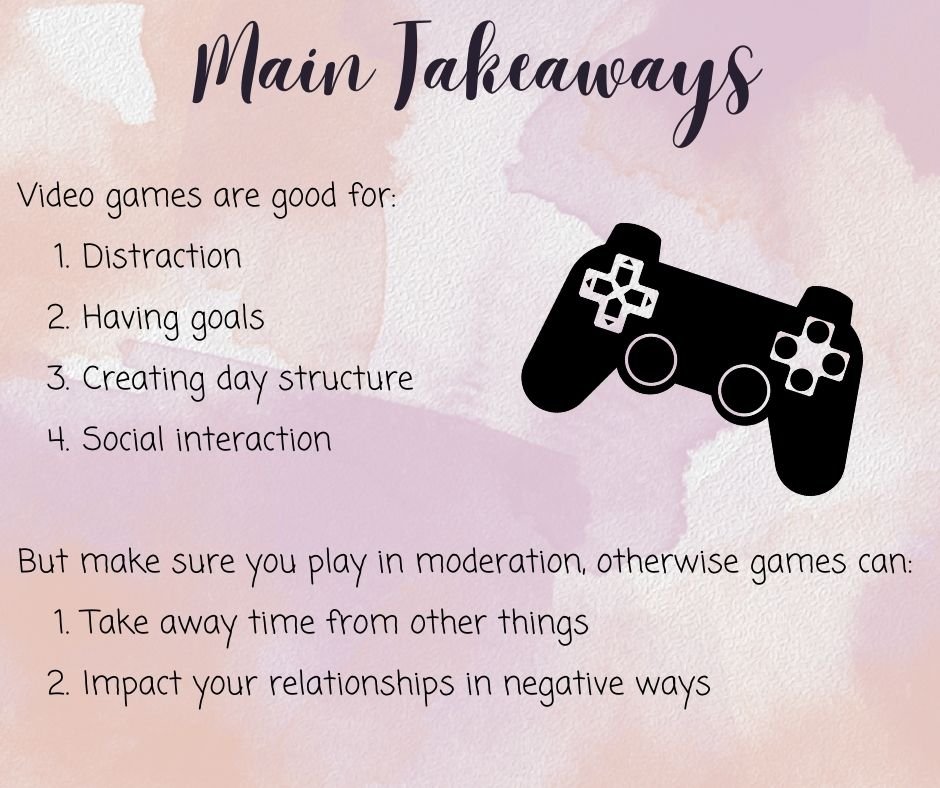
The immediate appeal of video games is undeniable. They offer instant gratification, escapism from the stresses of daily life, and a sense of accomplishment often missing in our real-world routines. Short-term benefits can include stress relief, improved hand-eye coordination, enhanced problem-solving skills, and even social connection through online communities.
However, the line blurs when these short-term joys start overshadowing more fundamental aspects of life. Think about it:
- The Sleep Thief: Late-night gaming sessions can wreak havoc on your sleep schedule, leading to fatigue, decreased concentration, and mood swings. Studies consistently link excessive screen time to poor sleep quality.
- The Social Isolator: While some games foster community, overuse can lead to social isolation. Spending hours engrossed in virtual worlds can replace real-world interactions, potentially impacting relationships and social skills.
- The Procrastination Master: “Just one more level…” Sound familiar? Gaming can become a convenient excuse to avoid responsibilities, whether it’s schoolwork, chores, or pursuing personal goals.
- The Health Hazard: Sedentary behavior coupled with poor dietary choices during gaming sessions can contribute to weight gain, cardiovascular issues, and other health problems.
The long-term impacts are even more concerning. Research suggests that excessive gaming can be associated with increased anxiety, depression, and even addiction. For younger players, it can potentially hinder the development of crucial social and emotional skills. We’re not saying every gamer is destined for these outcomes, but understanding the potential risks is crucial.
Turning the Tables: Regaining Control of the Game
So, how do we ensure that video games remain a source of enjoyment and enrichment rather than a source of regret? Here are some practical, actionable strategies to help you regain control:
1. Time Management: Setting Boundaries is Key
This might sound obvious, but it’s arguably the most crucial step. Set realistic time limits for gaming sessions and stick to them. Here’s how:
- The “Pomodoro” Technique: Work or study for 25 minutes, then take a 5-minute break to game. This structured approach can help prevent marathon sessions.
- Scheduled Gaming: Allocate specific times for gaming each day or week, just like you would for any other important activity.
- Visual Reminders: Use timers, alarms, or even sticky notes to remind yourself when it’s time to stop.
Example: Let’s say you enjoy playing a certain online game daily. Instead of playing for an unlimited amount of time, allocate 2 hours daily for gaming, set a timer, and take breaks in between. This way, you can enjoy the game without disrupting your schedule and responsibilities.
2. The Power of Variety: Diversify Your Activities
Don’t let gaming become your sole source of entertainment or relaxation. Explore other hobbies and interests that stimulate your mind and body:
- Get Active: Join a sports team, go for a run, or simply take a walk in nature.
- Creative Pursuits: Try painting, writing, playing a musical instrument, or learning a new craft.
- Socialize in the Real World: Spend time with friends and family, attend local events, or volunteer in your community.
Case Study: John, a college student, found himself spending almost all his free time playing online games, neglecting his studies and social life. He realized the problem and decided to join a hiking club. Not only did he get some exercise, but he also met new people and discovered a love for the outdoors.
3. Mindful Gaming: Pay Attention to How You Feel
Be aware of your emotional state while gaming. Are you playing to escape negative feelings? Are you feeling increasingly frustrated or anxious? If so, it might be time to take a break or re-evaluate your gaming habits.
- Recognize Your Triggers: Identify the situations or games that tend to lead to excessive gaming.
- Practice Self-Compassion: Don’t beat yourself up if you slip up. Acknowledge your mistake and recommit to your goals.
- Seek Support: Talk to a friend, family member, or therapist if you’re struggling to manage your gaming habits.
Alternative Approaches: Tailoring Solutions to Your Needs
Not every strategy works for everyone. Here are a few alternative approaches to consider:
- The “Replacement Strategy”: Instead of simply cutting out gaming, replace it with a more fulfilling activity. This makes it easier to resist the urge to game excessively.
- The “Accountability Partner”: Enlist a friend or family member to help you stay accountable to your goals. They can provide support and encouragement when you’re feeling tempted to overindulge.
- The “Digital Detox”: Take a break from all screens for a day or even a week. This can help you reset your relationship with technology and gain a fresh perspective.
- The “Game Genre Switch”: Move from competitive, high-stress games to more relaxed and creative titles that can still entertain without the addictive nature.
- Family Mode/ Controls Many consoles and gaming platforms offer family mode or parental control features that can restrict playtime and limit access to certain content. Set up restrictions for time management
Reclaiming Your Reality: An Optimistic Outlook
The key takeaway here is balance. Video games can be a wonderful source of entertainment, learning, and social connection. But like anything else, moderation is crucial. By setting boundaries, diversifying your activities, and practicing mindful gaming, you can ensure that games enhance your life rather than consume it.
The power to reclaim your time and focus lies within you. It starts with awareness, followed by a commitment to change. Don’t be afraid to experiment with different strategies until you find what works best for you. Remember, this isn’t about giving up something you enjoy; it’s about creating a healthier, more fulfilling relationship with technology and your life as a whole. So, go forth and game responsibly. You’ve got this!
